
Database
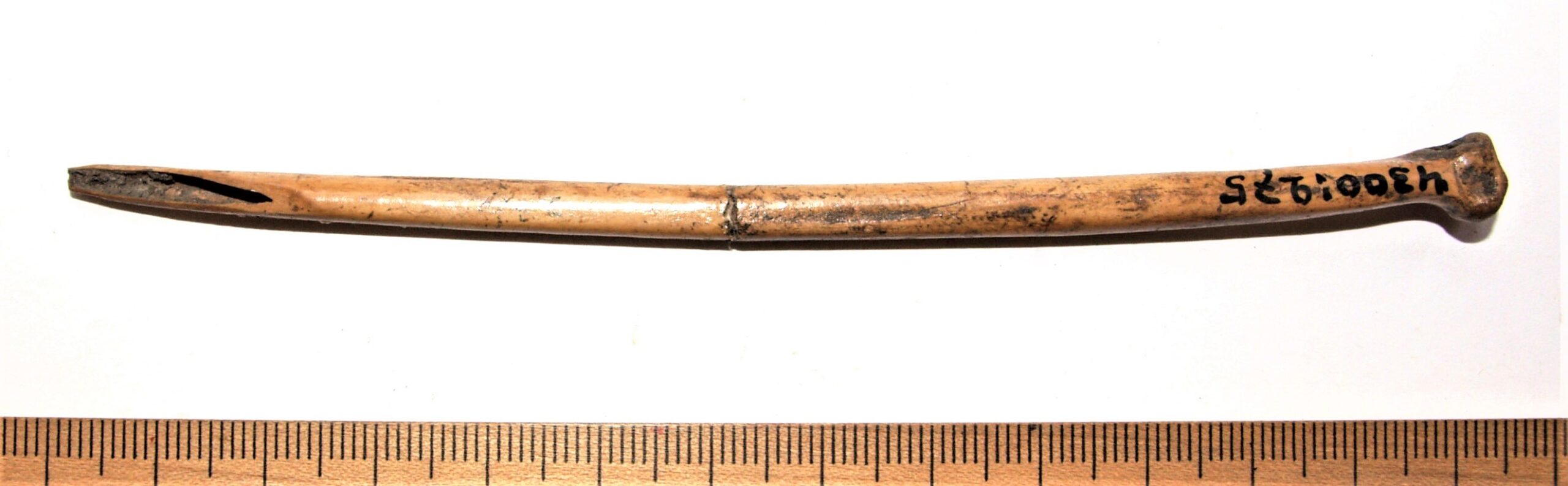
Valjala hillfort
Bone pin.
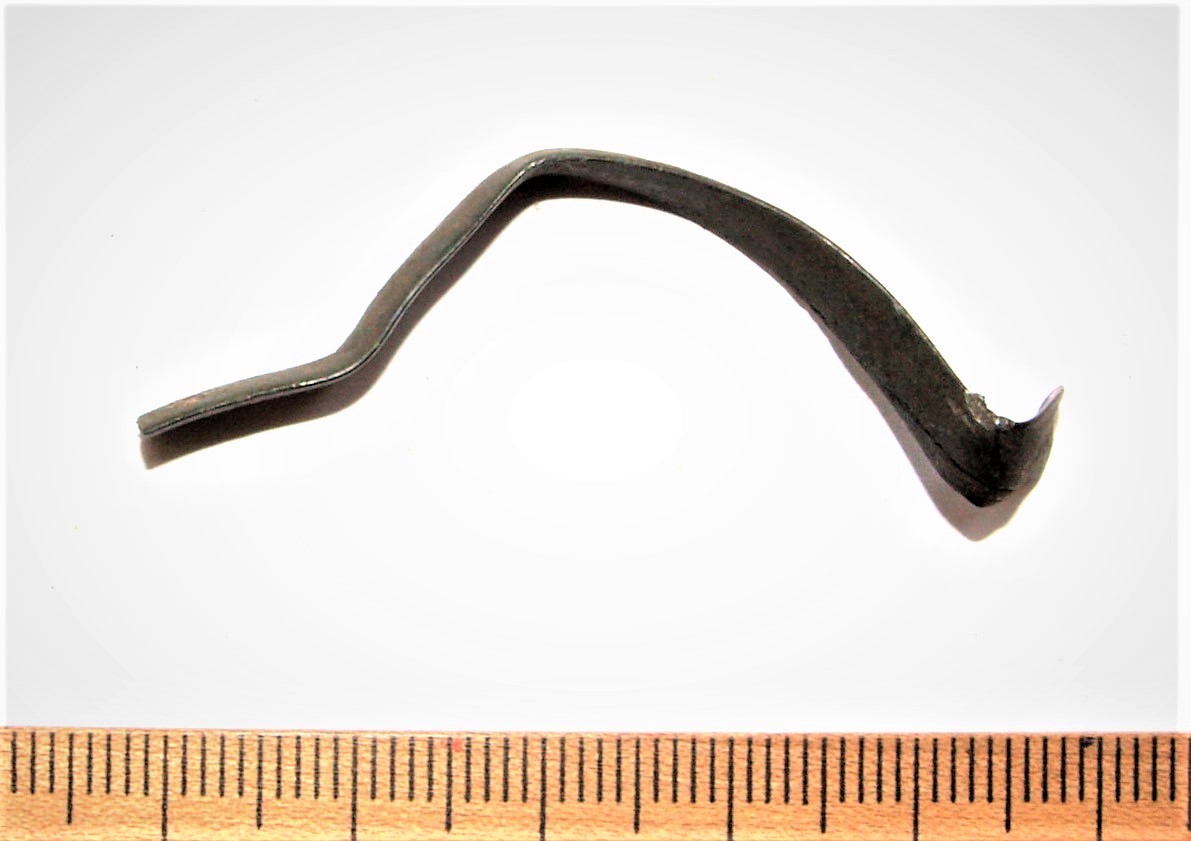
Valjala hillfort
Bronze lace.
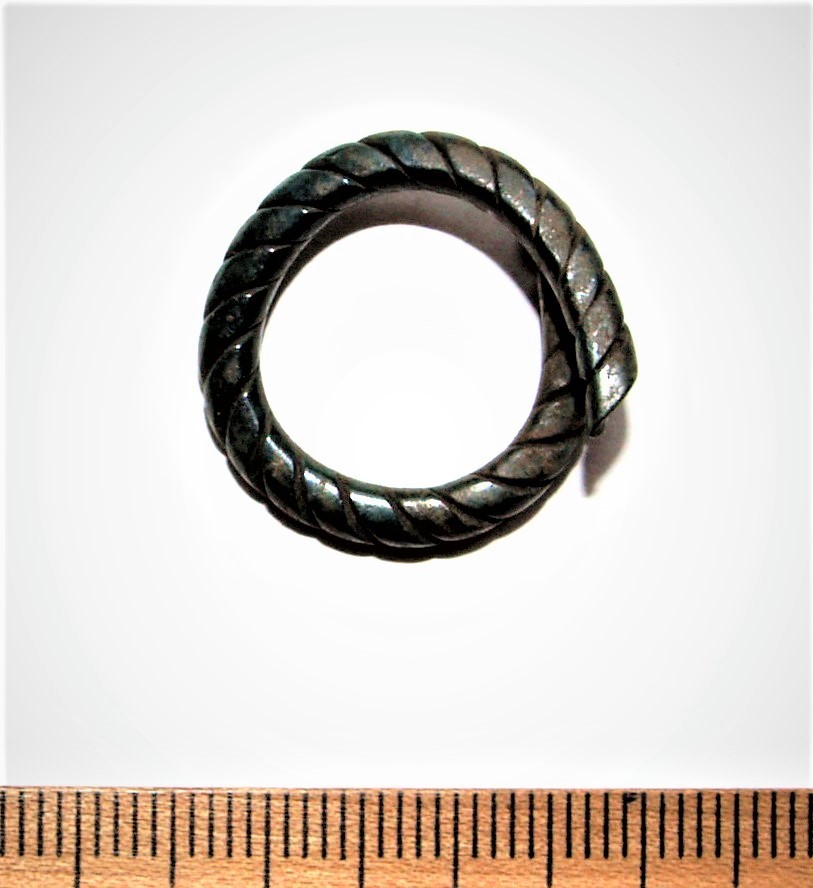
Valjala hillfort
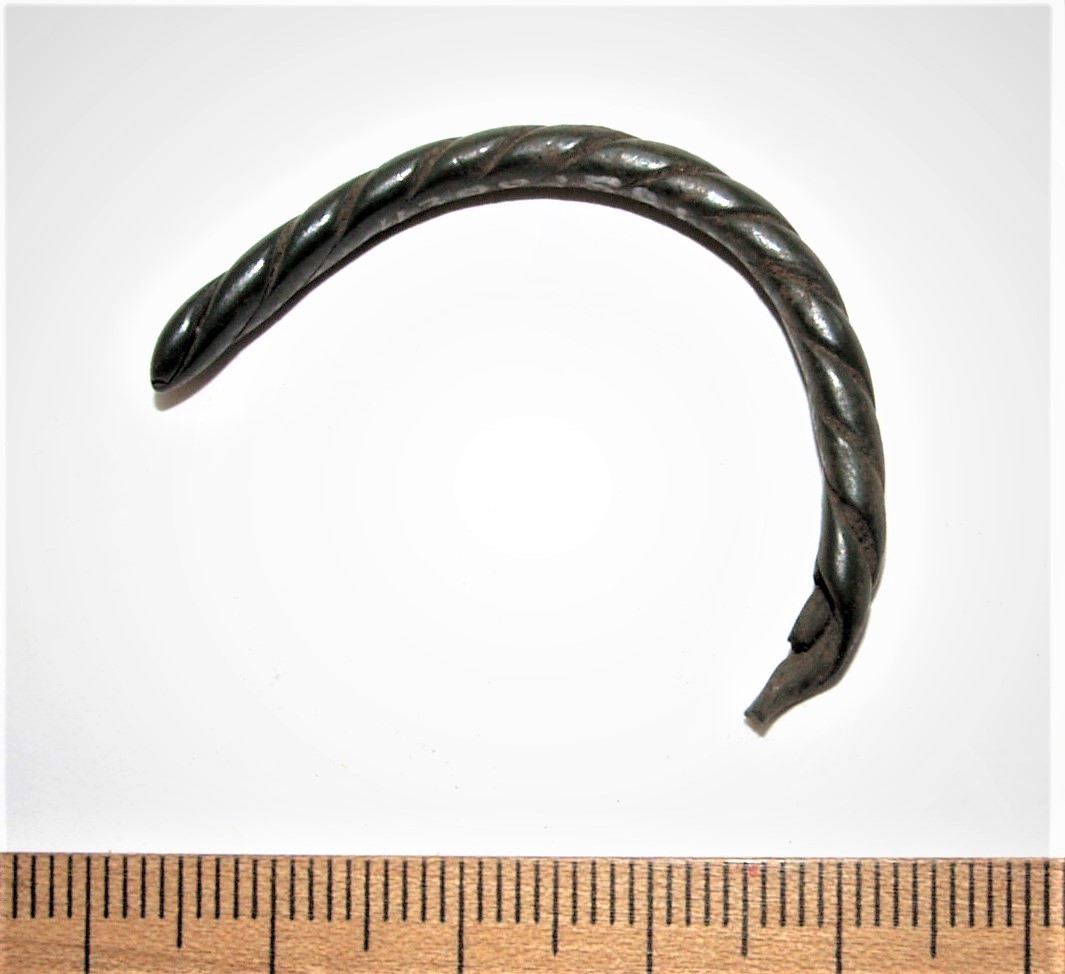
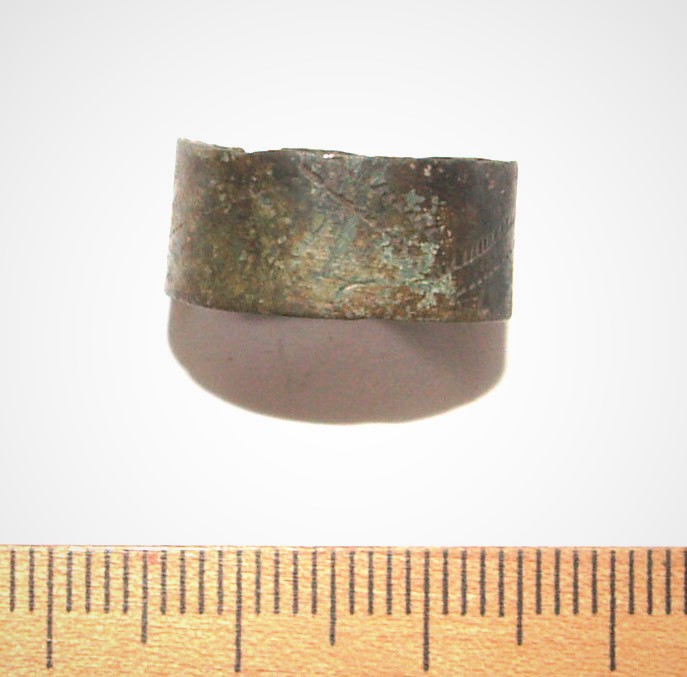
Fragment of a bronze bracelet, re-made as a finger-ring (?).
Bracelet, bronze. Bracelets made of multiple twisted wires have been dated to the 12th and 13th centuries and are mainly found in mainland Estonia, especially in Northern Estonia (Valk & Laul 2014, 118). Bracelets of this type were also widespread in the territories of the Votes and Izhorians as well as in Novgorod (Mägi 2002, 106). Since such bracelets occur mainly in inhumation graves and only seldom in cremations, they were probably taken into use in the very end of the 12th century.
Literature:
Mägi, M. 2002. At the Crossroads of Space and Time. Graves, Changing Society and Ideology on Saaremaa (Ösel), 9th–13th centuries AD. CCC papers: 6. Gotland University College, Centre for Baltic Studies; Institute of History, Department of Archaeology. Tallinn, 2002. Read the book: here. Look at the drawings of the archaeological excavations: here.
Laul, S., Valk, H. 2014. Siksälä kalme, I. Muistis ja ajalugu. Tartu ülikool: Tartu.
Valjala hillfort
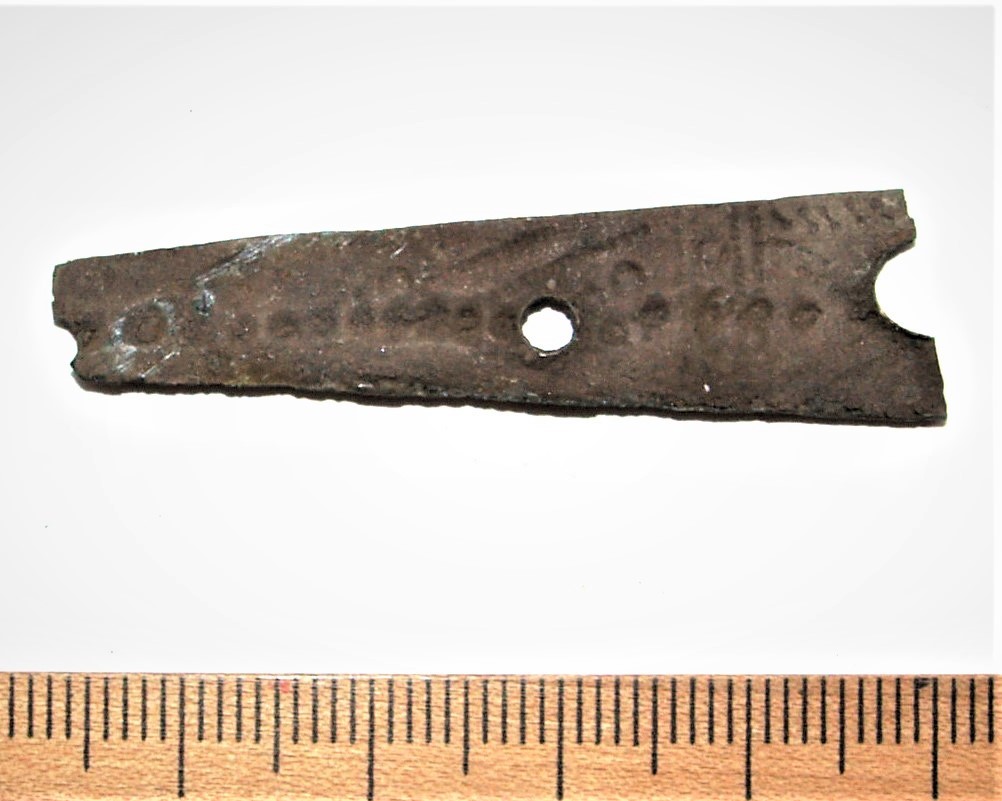
Bronze mount.
Valjala hillfort
Bracelet, bronze. Bracelets made of multiple twisted wires have been dated to the 12th and 13th centuries and are mainly found in mainland Estonia, especially in Northern Estonia.
Bracelet, bronze. Bracelets made of multiple twisted wires have been dated to the 12th and 13th centuries and are mainly found in mainland Estonia, especially in Northern Estonia (Valk & Laul 2014, 118). Bracelets of this type were also widespread in the territories of the Votes and Izhorians as well as in Novgorod (Mägi 2002, 106). Since such bracelets occur mainly in inhumation graves and only seldom in cremations, they were probably taken into use in the very end of the 12th century.
Literature:
Mägi, M. 2002. At the crossroads of space and time: graves, changing society and ideology on Saaremaa (Ösel), 9th–13th centuries AD. Tallinn. Read the book: here. Look at the drawings of the archaeological excavations: here.
Valk, H. & Laul, S. 2014. Siksälä kalme I: Muistis ja Ajalugu. Tartu ülikool, Ajaloo ja arheoloogia instituut, Tallinn.
Valjala hillfort
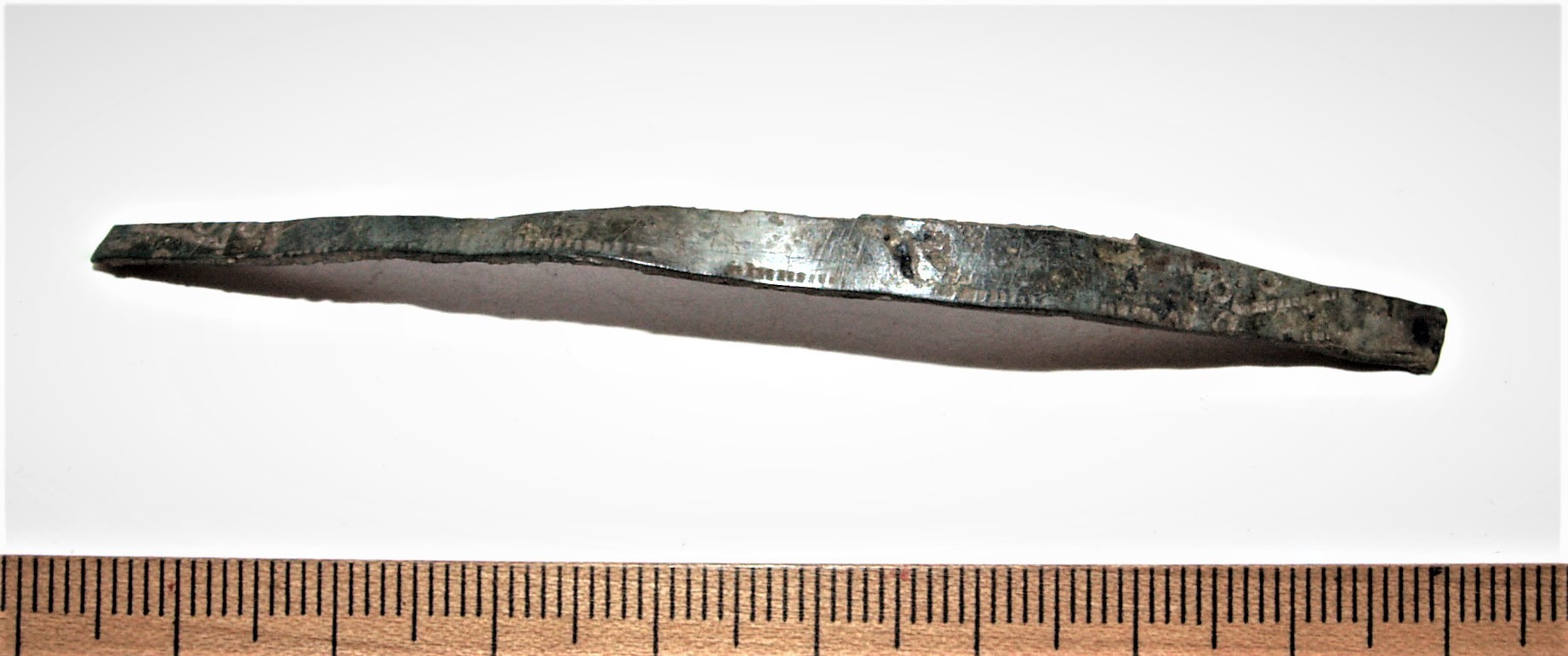
Bracelet.
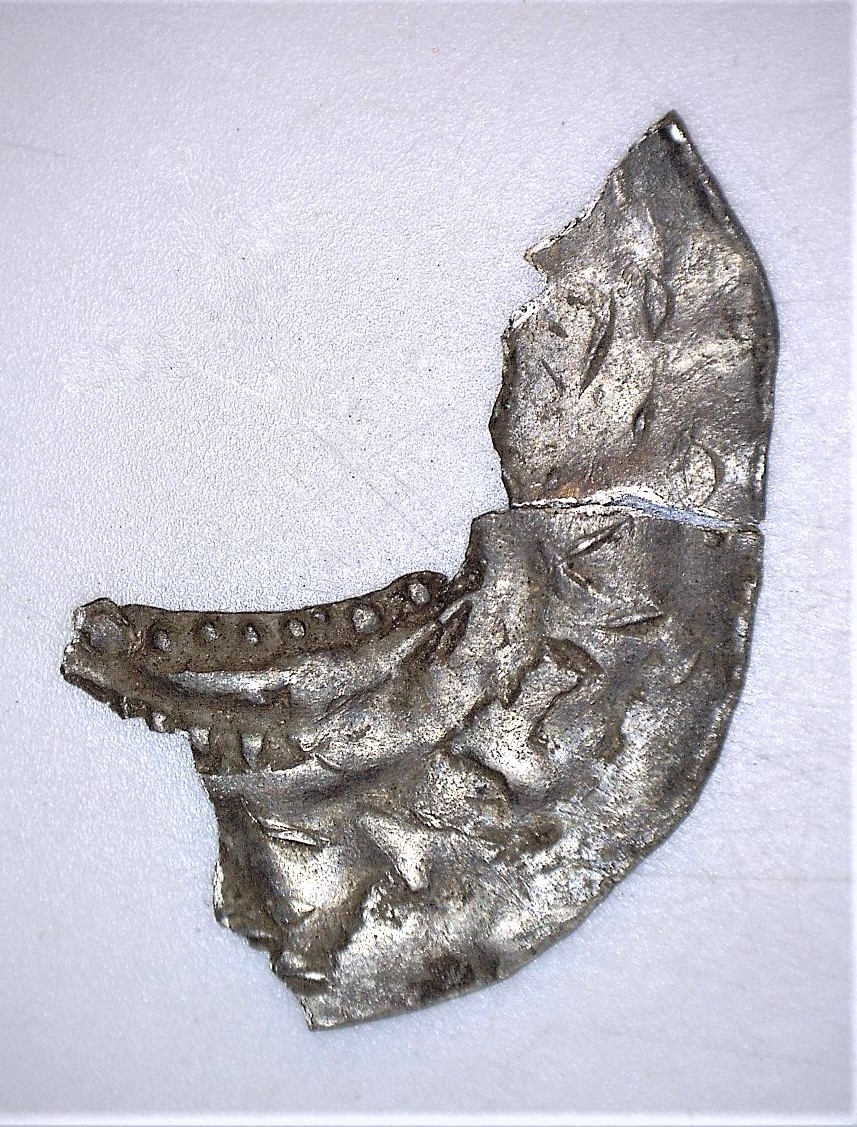
Mullutu
Coin fragment, 0.31 g. From the city of Strasbourg.
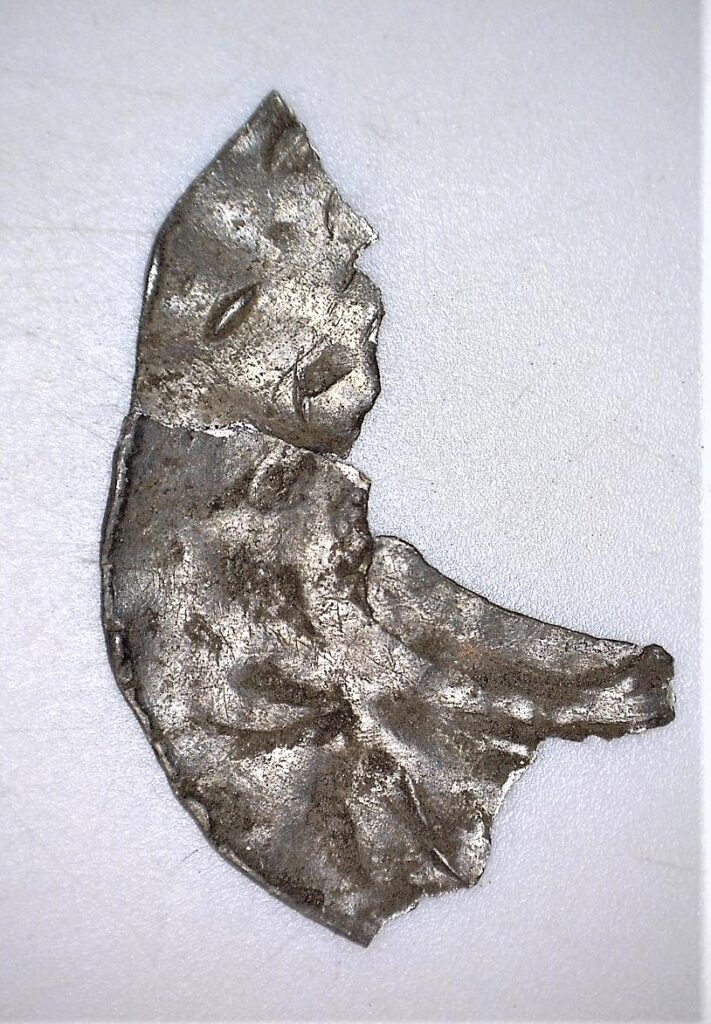
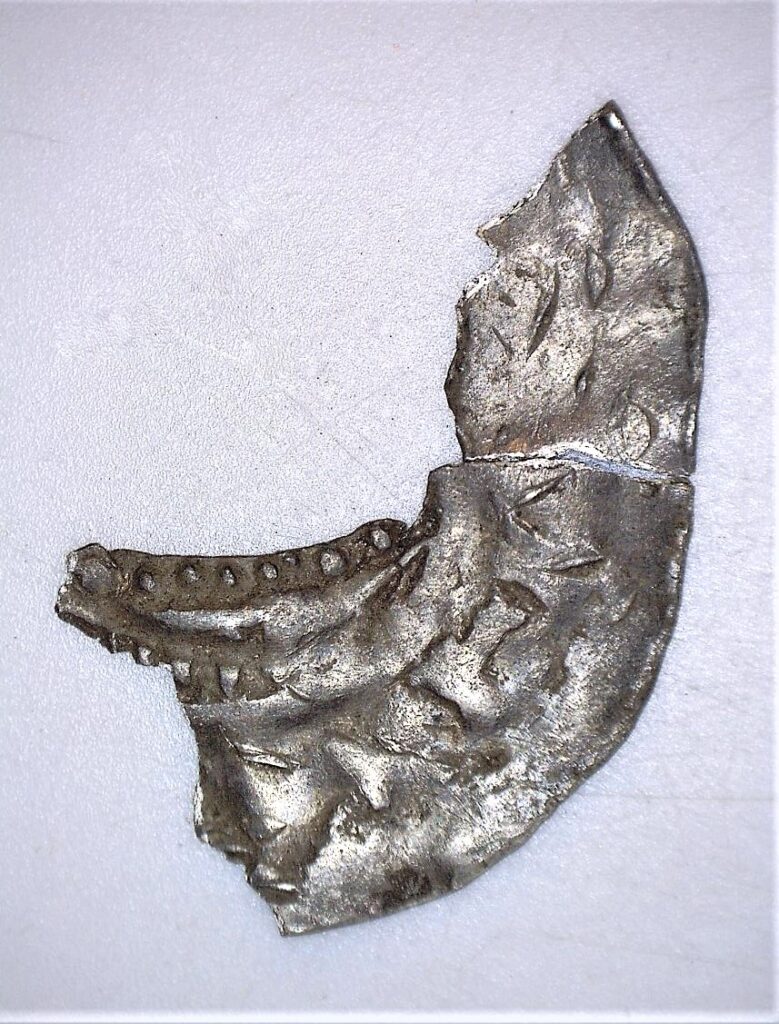
Coin fragment, 0.31 g. From the city of Strasbourg.
Valjala hillfort
Bronze mount, with holes. Dated according to the context.
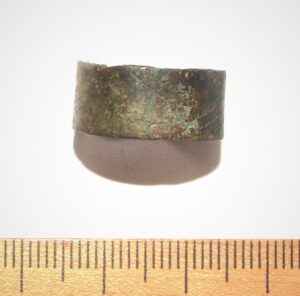
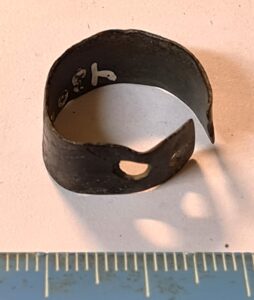
Bronze mount, with holes. Dated according to the context.
Valjala hillfort
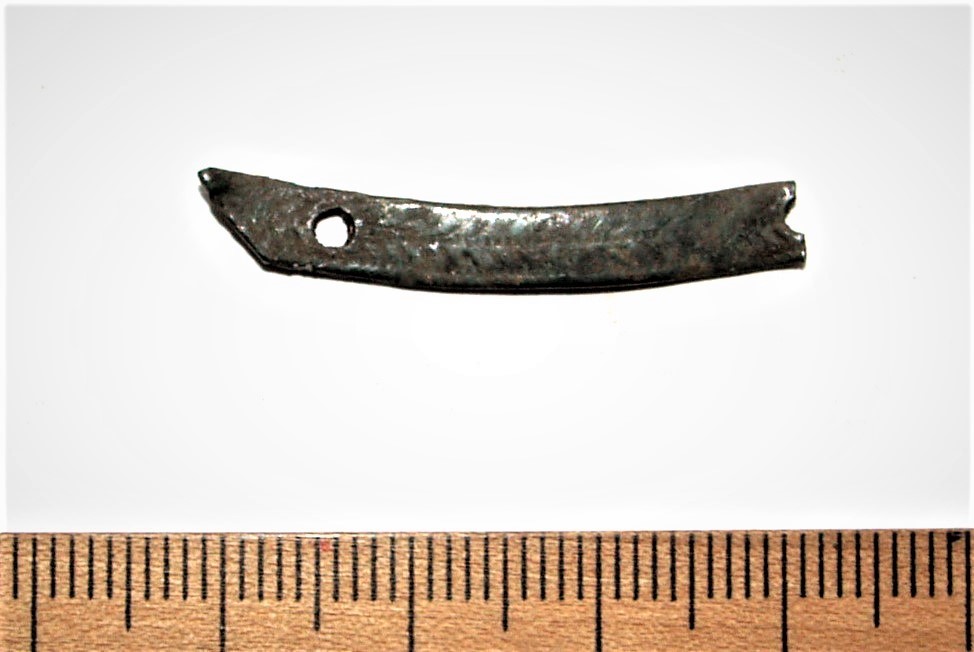
Decorated bronze lace with holes.

