
Database
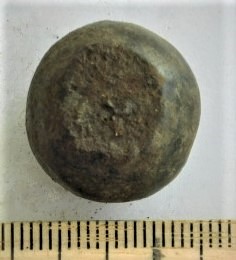
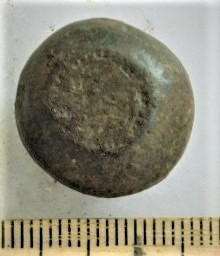
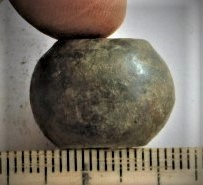
Spheric weight, bronze and iron. Such weights are dated to the late 10th and to the 11th century (Berga 2017).
Literature:
Berga, T. 2017. The distribution and chronology of traiding equipment in present-day Latvia in the tenth to thirteenth centuries. – Archaeologia Baltica, 24, 59-77.
Mullutu
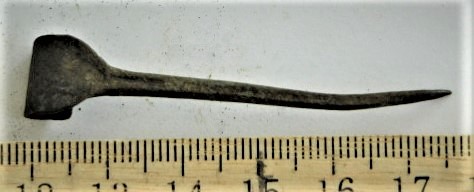
Pin of a penannular brooch, copper alloy.
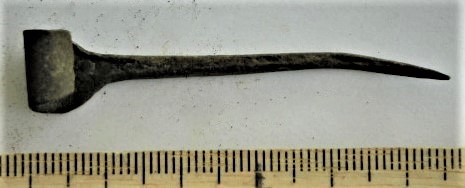
Pin of a penannular brooch, copper alloy.
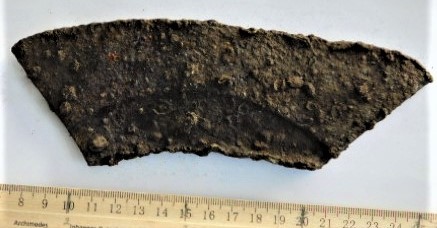

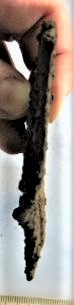
Iron axe, M-type, later variant.
Literature:
Atgāzis, M. 1997. Āvas cirvji Latvijā. – Arheoloģija un Etnogrāfija, XIX. Rīga: Latvijas Vēstures Institūta apgāds, 53-63.

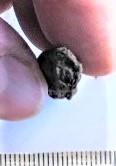
Fragment of an iron artefact.
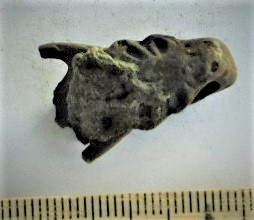
Mullutu
Animal-head-shaped joining mount of belt, bronze.
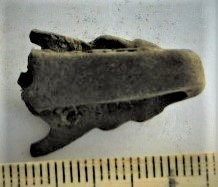

Animal-head-shaped joining mount of belt, bronze.
Literature:
Mägi, M. 2002. At the Crossroads of Space and Time. Graves, Changing Society and Ideology on Saaremaa (Ösel), 9th–13th centuries AD. Tallinn: Ajaloo Instituut, Tallinn/Center of Baltic Studies, Gotland, p. 98. Read the book: here. Look at the drawings of the archaeological excavations: here.
Mullutu
Fragment of penannular brooch, copper alloy. Massive faceted terminals.
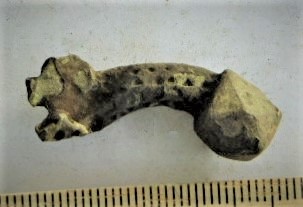

Fragment of penannular brooch, copper alloy. Massive faceted terminals. The cross-section of the ring is hexagonal, decorated with small triangulars.
Read more:
Mägi-Lõugas, M. 1994. Eesti viikingiaegsed hoburaudsõled ja nende ornament. – Eesti TA Toim. Humanitaar- ja Sotsiaalteadused 43, 4 (465-484). Read the ENG conclusion (p. 483-483): here.
Mullutu
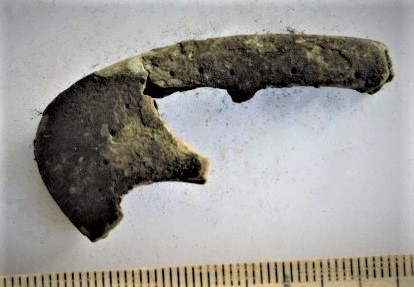
Fragment of sword scabbard end, bronze. Type I according to Kazakevićius , widespread in Couronia, Prussia and Saaremaa.
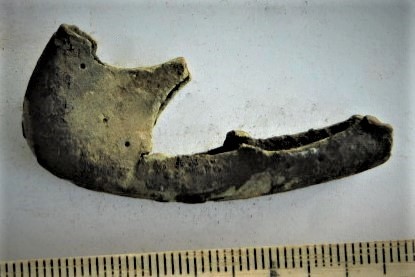
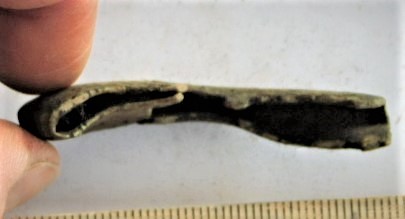
Fragment of sword scabbard end, bronze. Type I according to Kazakevićius , widespread in Couronia, Prussia and Saaremaa.
Literature:
Kazakevićius, V. 1998. Iś velyvojo geleźies amźiaus baltu ginklu istorijos (kalaviju makśtu galu apkalai). – Lietuvos Archeoligija, 15. Vilnius, 290-291.
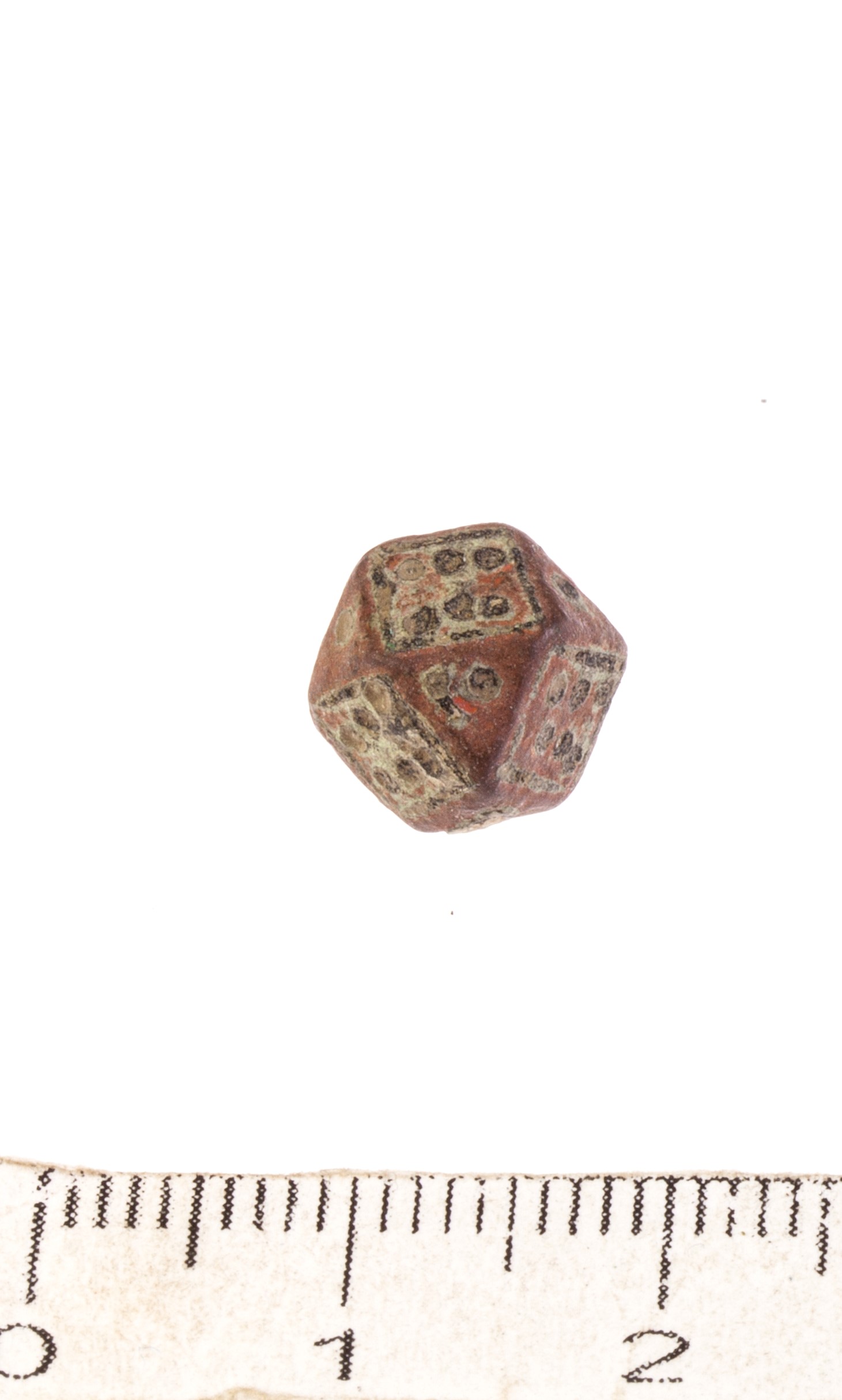
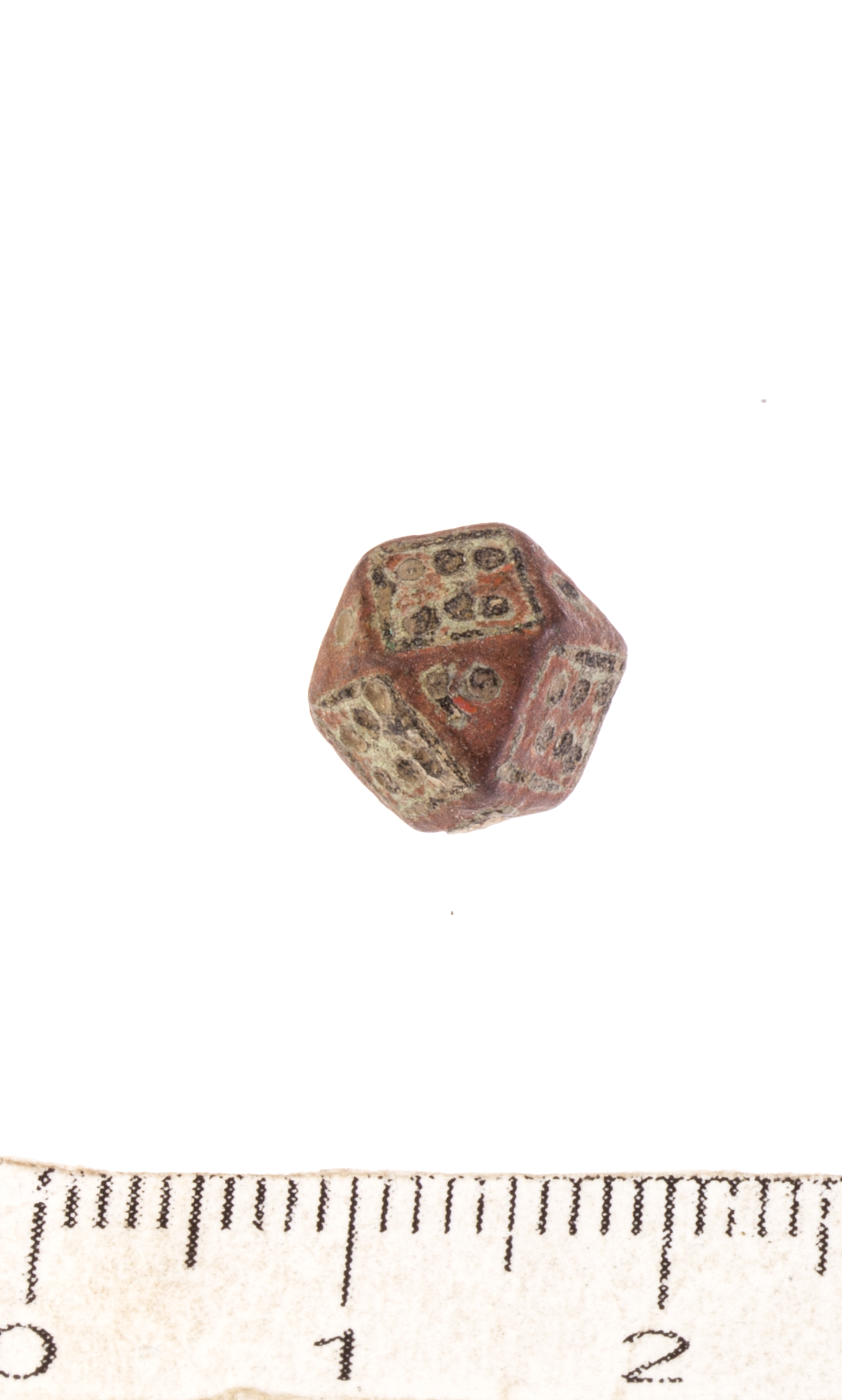

Photo: Jaana Ratas.
Octagonal weight, bronze. Such weights can mainly be dated to 850-1000 AD.
Literature:
Gustin, I. 2004. Mellan gåva och marknad. Handel, tillit och materiell Kultur under vikingatid. – Lund Studies in Medieval Archaeology, 34. Malmö, Almqvist & Wiksell, 100-107.
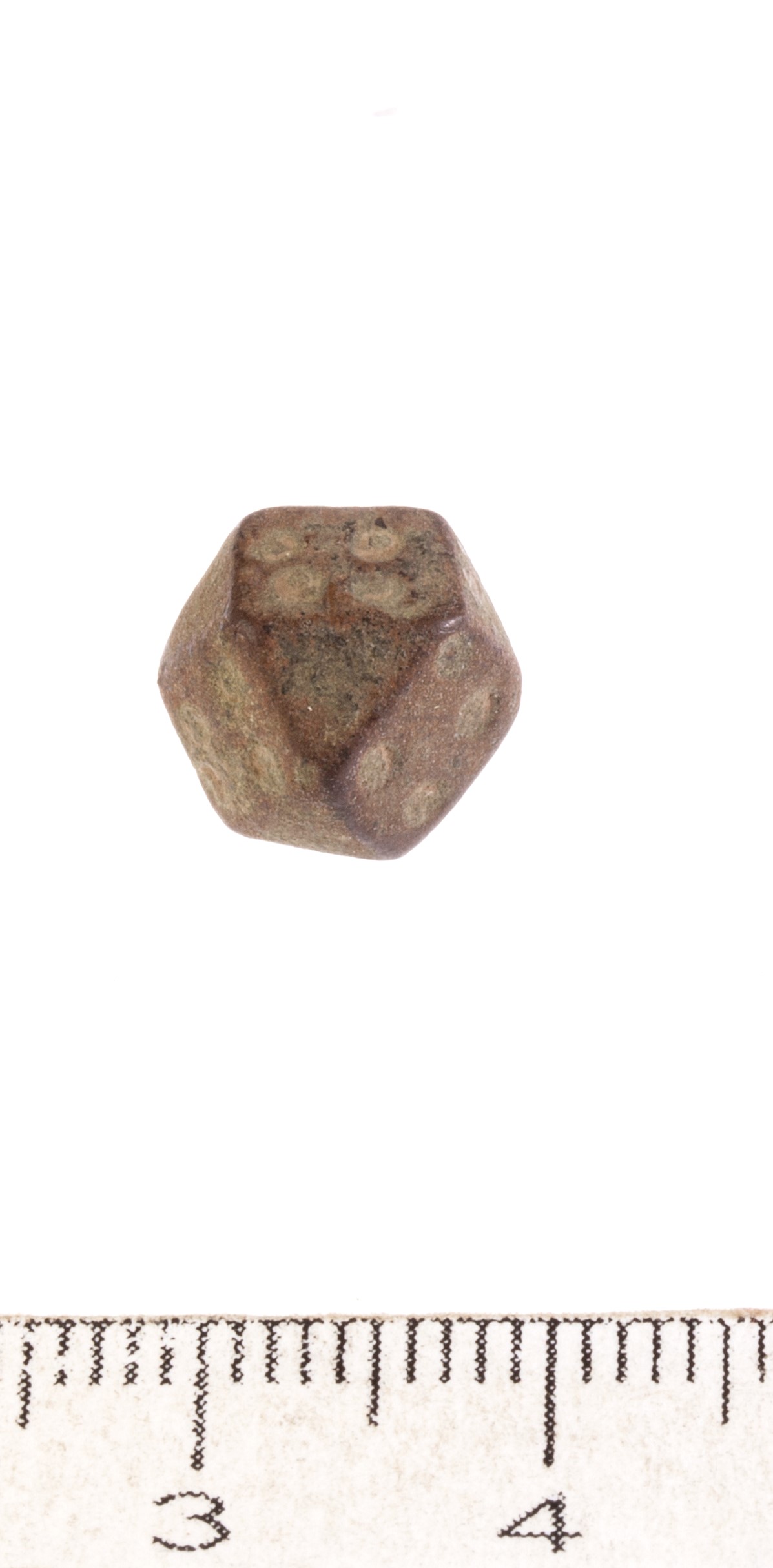

Photo: Jaana Ratas.
Octagonal weight, bronze. Such weights can mainly be dated to 850-1000 AD.
Literature:
Gustin, I. 2004. Mellan gåva och marknad. Handel, tillit och materiell Kultur under vikingatid. – Lund Studies in Medieval Archaeology, 34. Malmö, Almqvist & Wiksell, 100-107.

