
Database
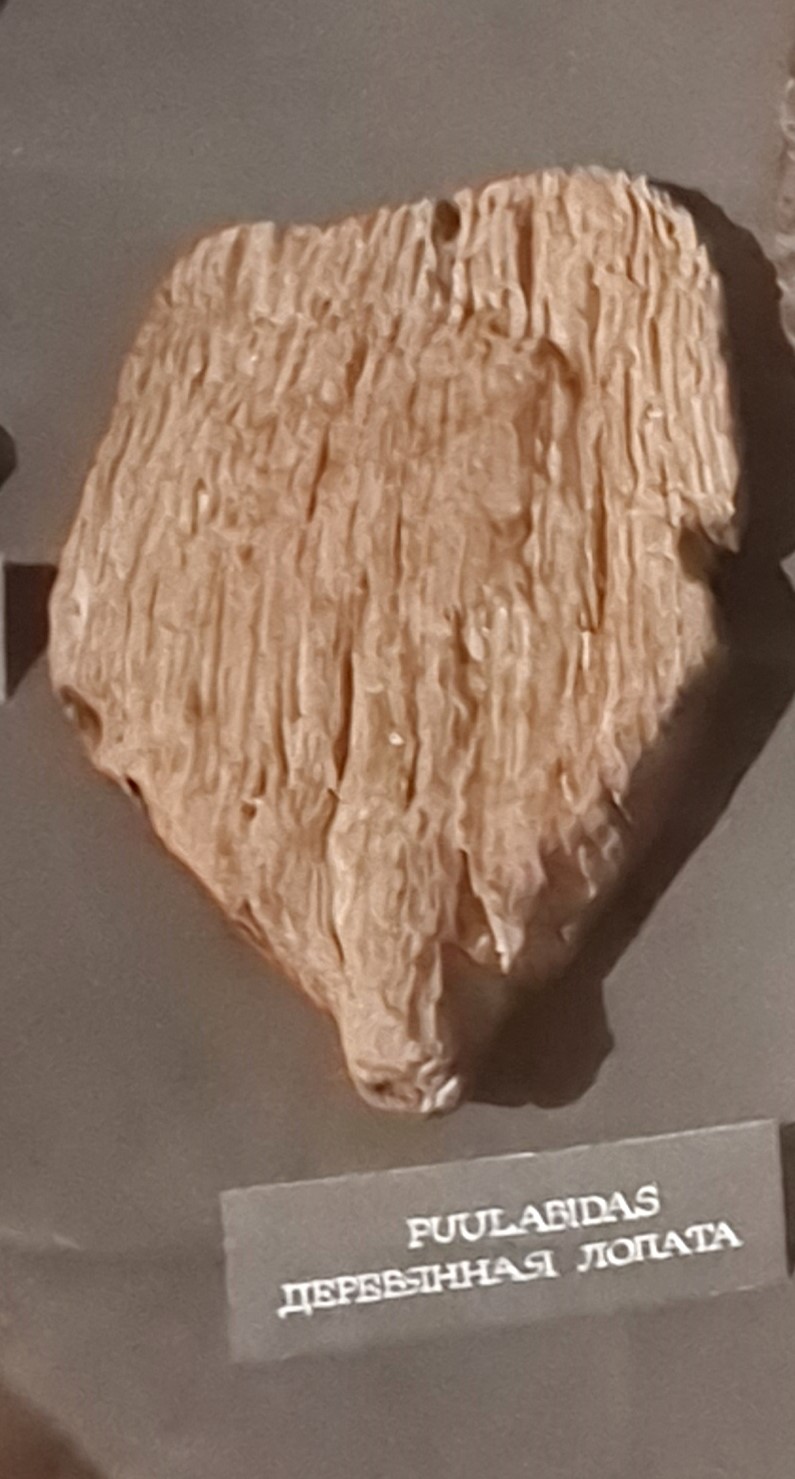
Valjala hillfort
Wooden spade or paddleboard. Found from the well. At the exhibition of Saaremaa Museum.
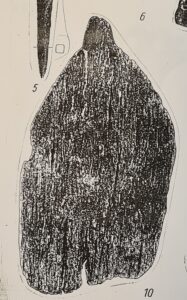
Wooden spade or paddleboard. Found from the well. At the exhibition of Saaremaa Museum.
Valjala hillfort
Spindle whorl, the artefact is most likely lost.
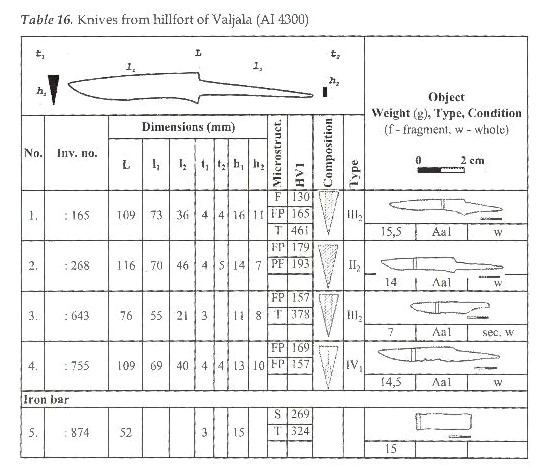
Knife.
Literature:
Peets, J. 2003. The power of iron. – Muinasaja teadus, 12. Tallinn, 245.
Upa
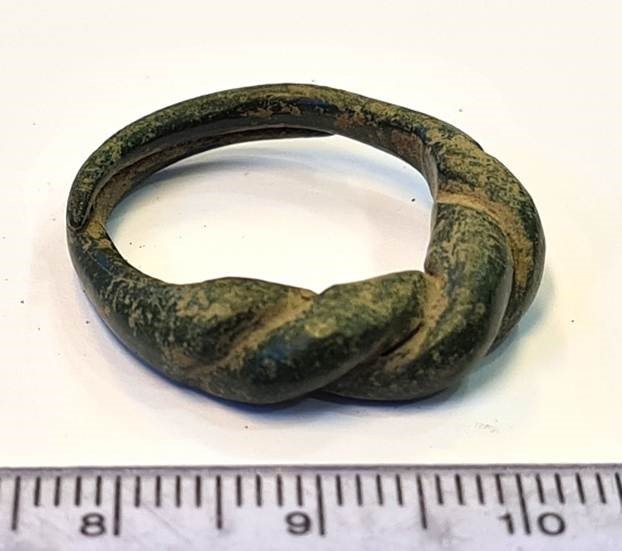
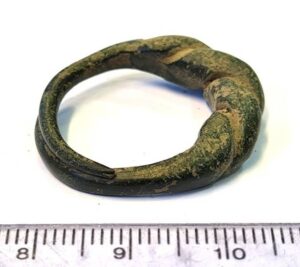
Finger ring, copper alloy. With thickening twisted middle section nd open ends. Such finger-rings have been found in North-Estonian 13th century inhumations, e. g. in Pada and Kaberla. Seldom finds in cremation graves.
Upa
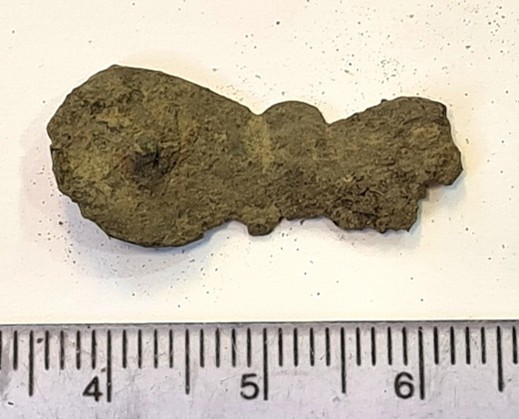
Flat belt mount, copper alloy. Mounts of this type are commonly found in Osilian stone graves with cremations, where they can be dated mainly to the 12th century (e.g. Rahu and Randvere). They are also associated with Courians, Livs and Semgallians.
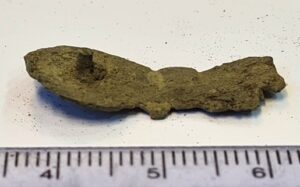
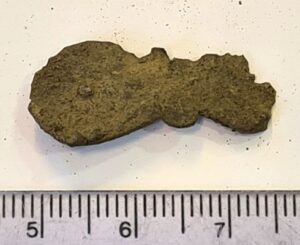
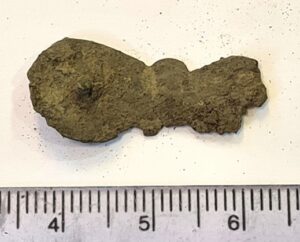
Flat belt mount, copper alloy. Mounts of this type are commonly found in Osilian stone graves with cremations, where they can be dated mainly to the 12th century (e.g. Rahu and Randvere). They are also associated with Courians, Livs and Semgallians (Mägi 2002, 98; Pl. 52: 4–6; 66: 8; 70: 10–11, etc.).
Literature:
Mägi, M. 2002. At the crossroads of space and time: graves, changing society and ideology on Saaremaa (Ösel), 9th–13th centuries AD. Tallinn.
Mägi, M. 2002. At the crossroads of space and time: graves, changing society and ideology on Saaremaa (Ösel), 9th–13th centuries AD. Tallinn.
Viltina
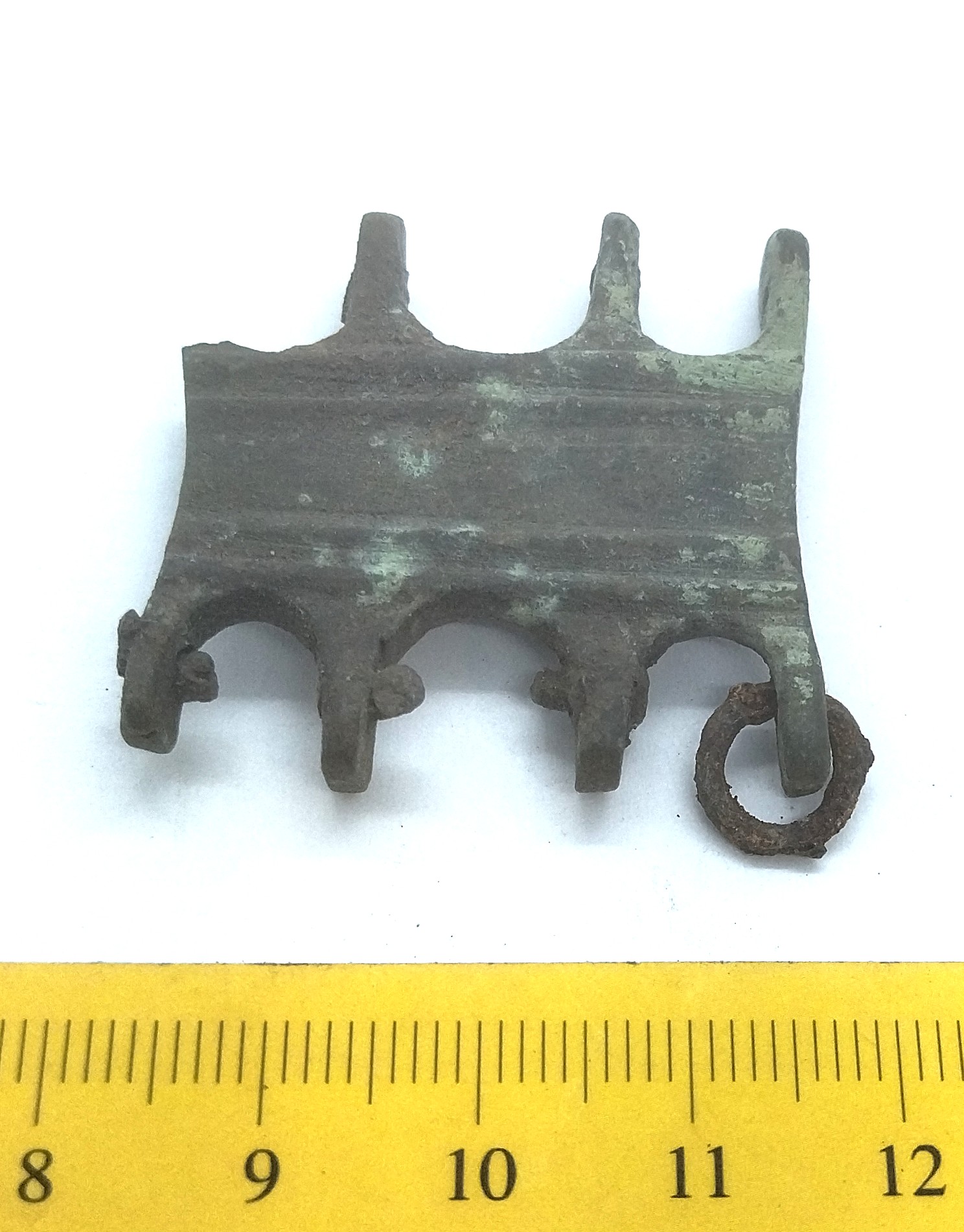
Chain arrangement link and chain fragment, copper alloy.
 Chain arrangement link, copper alloy. Links of this type are a typical part of chain arrangements found in the 13th-century inhumation graves of Estonian women, but also in the earlier stone graves with mixed cremations. Numerous such links are stray finds. They were worn everywhere in the areas once inhabited by Baltic Finns, and in some other areas, e g in Semigallia (Spirģis 2008, 168–170).
Spirģis, R. 2008. Bruņrupuču saktas ar krūšu važiņrotām un lībiešu kultūras attīstība Daugavas lejtecē 10.-13. gadsimtā. Latvijas Vēstures Institūta apgāds, Rīga.
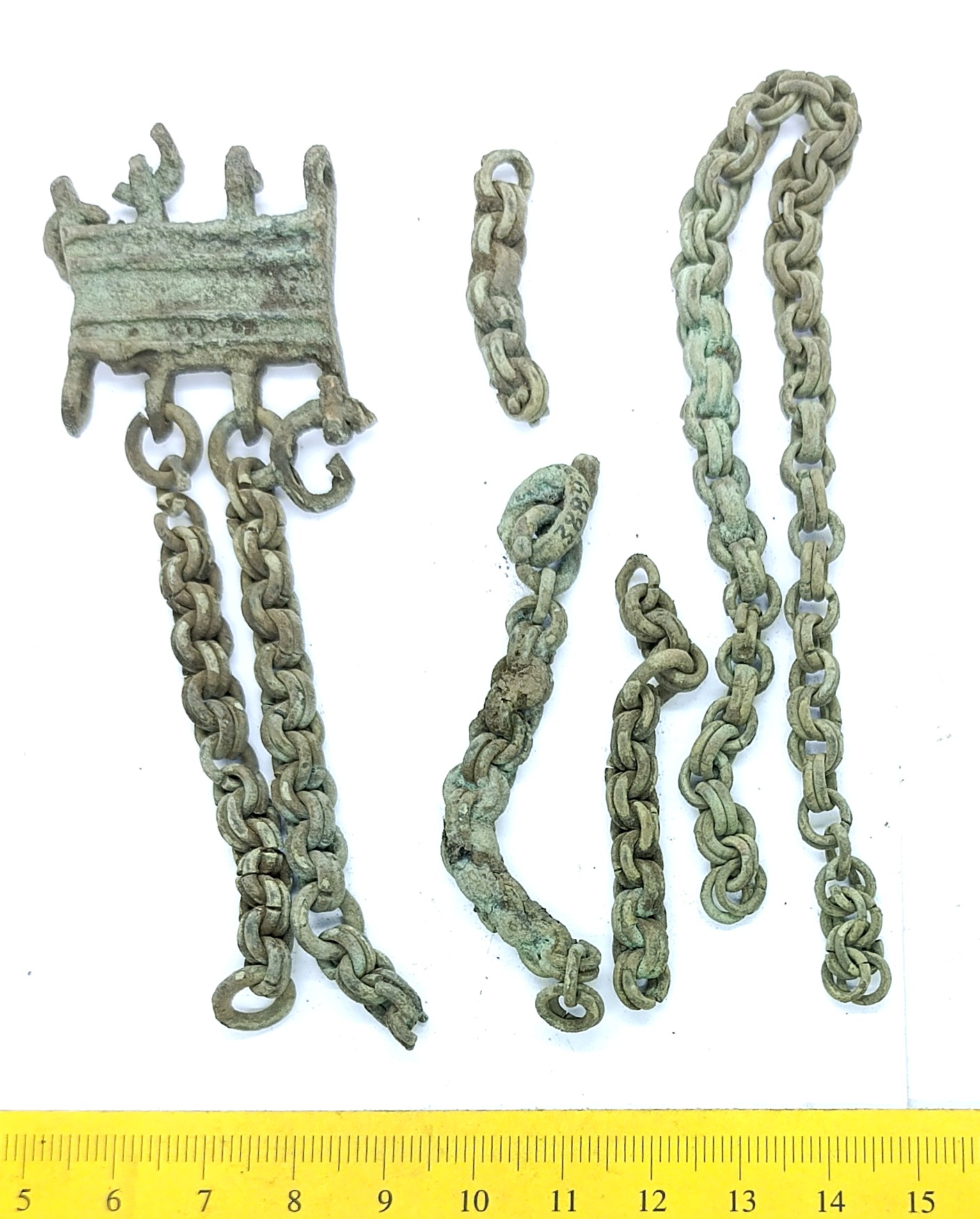
Viltina
Chain arrangement link, copper alloy.
Chain arrangement link, copper alloy. Links of this type are a typical part of chain arrangements found in the 13th-century inhumation graves of Estonian women, but also in the earlier stone graves with mixed cremations. Numerous such links are stray finds. They were worn everywhere in the areas once inhabited by Baltic Finns, and in some other areas, e g in Semigallia (Spirģis 2008, 168–170). Chains made of double-looped links were primarily worn in chain arrangements since the Pre-Viking Period (Tvauri 2014, 131).
Spirģis, R. 2008. Bruņrupuču saktas ar krūšu važiņrotām un lībiešu kultūras attīstība Daugavas lejtecē 10.-13. gadsimtā. Latvijas Vēstures Institūta apgāds, Rīga.
Tvauri, A. 2014. Rahvasterännuaeg, eelviikingiaeg ja viikingiaeg Eestis. Tartu Ülikooli Kirjastus. Tartu.
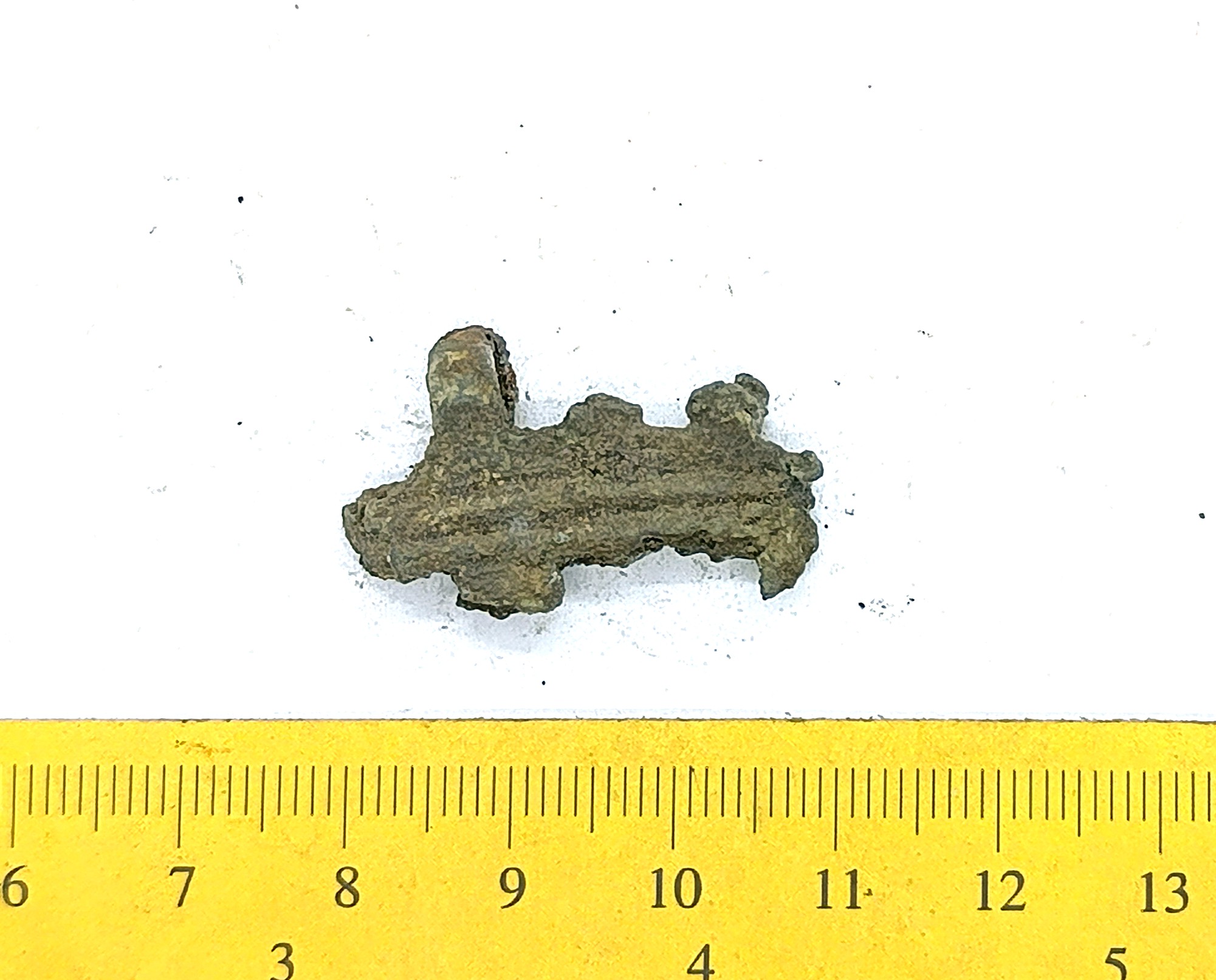
Viltina
Chain arrangement link and chain fragment, copper alloy.
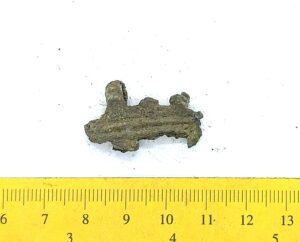
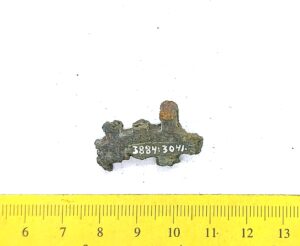
Chain arrangement link, copper alloy. Links of this type are a typical part of chain arrangements found in the 13th-century inhumation graves of Estonian women, but also in the earlier stone graves with mixed cremations. Numerous such links are stray finds. They were worn everywhere in the areas once inhabited by Baltic Finns, and in some other areas, e g in Semigallia (Spirģis 2008, 168–170).
Spirģis, R. 2008. Bruņrupuču saktas ar krūšu važiņrotām un lībiešu kultūras attīstība Daugavas lejtecē 10.-13. gadsimtā. Latvijas Vēstures Institūta apgāds, Rīga.
Viltina
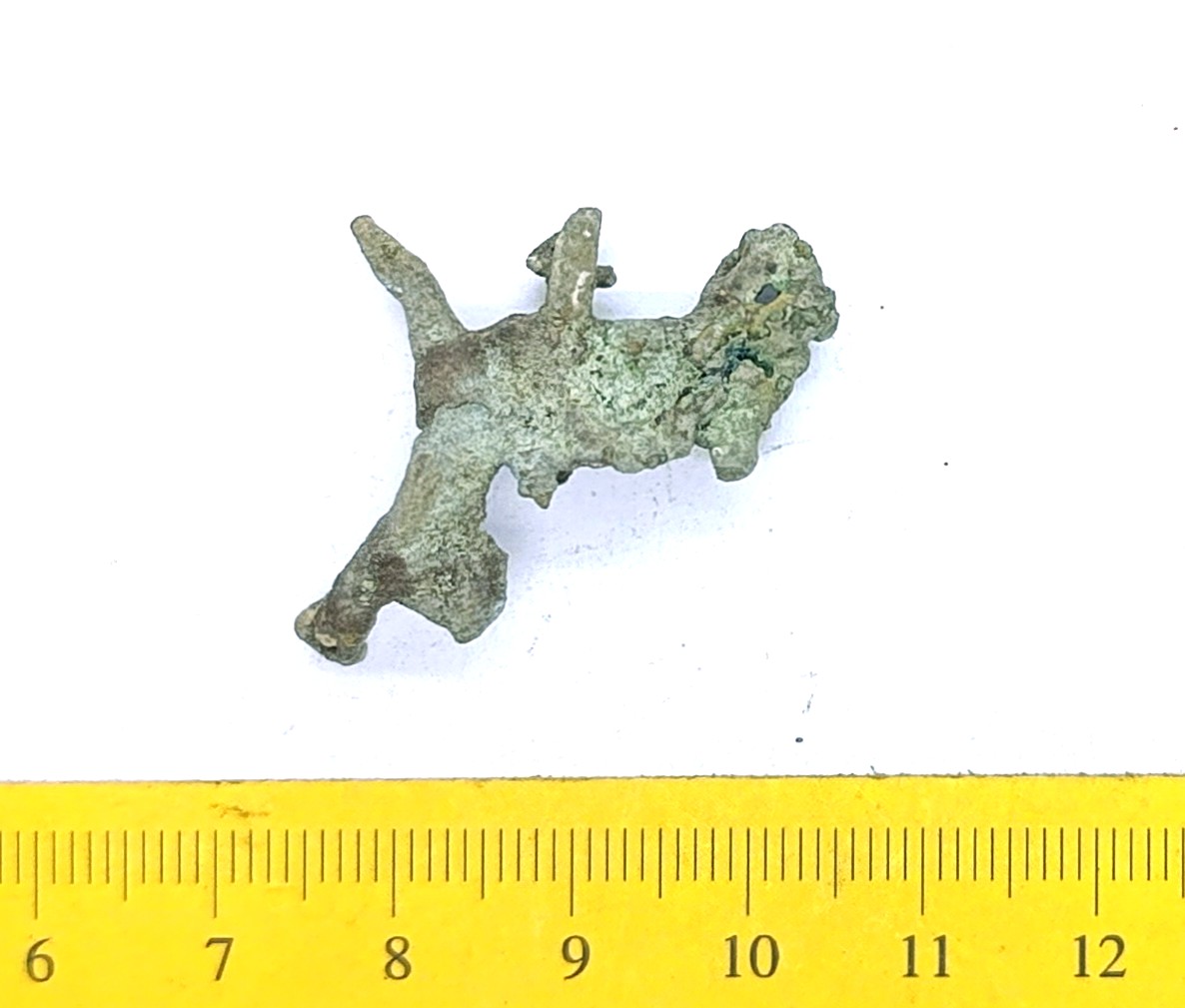
Chain arrangement link and chain fragment, copper alloy.
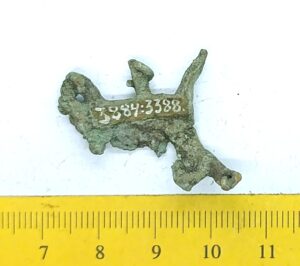
Chain arrangement link, copper alloy. Links of this type are a typical part of chain arrangements found in the 13th-century inhumation graves of Estonian women, but also in the earlier stone graves with mixed cremations. Numerous such links are stray finds. They were worn everywhere in the areas once inhabited by Baltic Finns, and in some other areas, e g in Semigallia (Spirģis 2008, 168–170).
Spirģis, R. 2008. Bruņrupuču saktas ar krūšu važiņrotām un lībiešu kultūras attīstība Daugavas lejtecē 10.-13. gadsimtā. Latvijas Vēstures Institūta apgāds, Rīga.

